 tvowmedia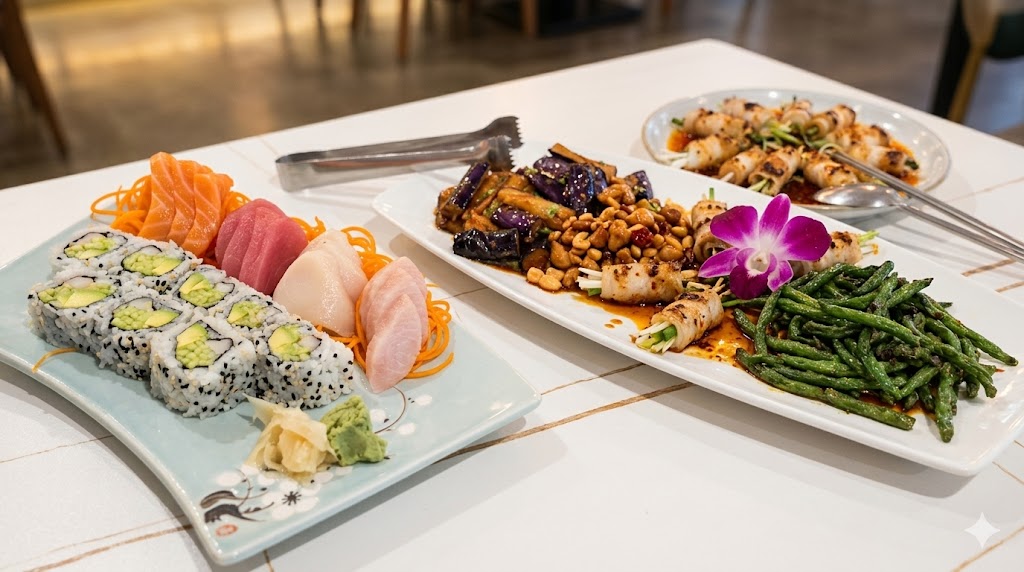
————一个厨师的迁徙,一座城市的改变

在 Pittsburgh,钢铁曾经定义了一切。
这座城市的历史,写在工厂的轰鸣声中,也刻在一代代移民的身体里。而在今天,当工业的声音渐渐远去,另一种更细微的变化,正在餐桌上发生。
那是一种来自中国西南的味道。
离开成都:味觉的起点
Wei Zhu 的起点,在成都。
那是一座以味觉著称的城市。 川菜 从来不是简单的“辣”,而是一整套复杂的味觉体系:
麻来自花椒,辣来自辣椒,香来自油温与调味的层次。
每一道菜,都讲究平衡与结构。
这种体系可以被学习,但更重要的是,它需要被理解。
当他离开中国、进入美国餐饮环境时,他面对的,并不是一个已经准备好接受这种复杂性的市场。
进入美国:从适应到坚持
在美国很长一段时间里,“中国菜”是一种被高度简化的存在。
甜、炸、重油、快出餐——它更像是一种市场适应的产物,而不是文化的延续。
对于一个来自成都的厨师来说,这意味着一个选择:
是继续迎合,
还是重新表达。
他选择了后者。
他在自己的厨房中,尽可能保留 川菜 原有的结构——辣椒的比例、花椒的运用、油温的控制。
这种坚持,在最初并不容易被理解,但却逐渐吸引了一批愿意尝试新味道的人。
落脚匹兹堡:被忽视的味觉空白
当他来到 Pittsburgh 时,这座城市的中餐结构仍然相对单一。
在 Squirrel Hill,中餐更多服务于华人社区与周边居民,形式以熟悉的“美式中餐”为主。
与此同时,这座城市也在悄然变化:
- 大学带来国际学生
- 科技产业吸引新移民
- 本地人开始接触更多文化
一种新的饮食可能性,正在形成。
一次相遇:从“怀疑”到“发现”
在很多华人的经验中,美国常被称为“美食荒漠”。
我也是其中之一。
我曾去过纽约的法拉盛,那里的中餐生态让人几乎可以忘记自己身处美国。
也正因为这样的对比,我曾无数次问自己:
匹兹堡,什么时候能有真正正宗的中餐?
过去,我尝试过几家餐厅,但大多没有再去第二次。
直到这一次。
在朋友的推荐下,我走进了“老四川”。
老板亲自下厨。菜一上桌,我几乎立刻意识到——这不是被改良过的中餐,而是熟悉的、完整的成都味道。
作为一个刚从中国来到美国、味觉尚未被稀释的人,我依然觉得:
这是真的好吃。
那一刻我才明白:
匹兹堡不是没有好中餐,
而是我们还没有发现它。
第一家店:味觉的突破点
Chengdu Gourmet 的出现,并没有以轰动的方式改变城市。
它只是稳定地提供另一种选择。
一盘麻婆豆腐,让人第一次意识到“辣”可以有层次;
一锅水煮鱼,让人理解油与香的关系;
一桌 川菜 ,让人体验到“分享”本身也是一种文化结构。
慢慢地,这种味道开始被记住。
媒体的出现:从个体到现象
当这种变化积累到一定程度,它开始被记录。
美国美食杂志 Saveur 在讨论匹兹堡中餐发展时指出, 川菜 的出现正在改变这座城市的饮食结构,并用“nuanced(有层次)”来评价他的烹饪。
Pittsburgh Magazine 将其餐厅称为“体验正宗 川菜 的最佳地点之一”,甚至建议读者“放弃美式菜单”。
而 Pittsburgh City Paper 以及其他本地媒体,则从城市餐饮发展的角度,将他放入更大的文化语境中。
与此同时,James Beard Award 的提名,使这一切进入更广泛的专业评价体系。
在这一刻,一个厨师的故事,开始变成一种城市现象。
第二家店:文化的扩展
当第二家店在 McKnight Road 开出时,这已经不只是一次扩张。
老四川 McKnight Road店 (我还是不由自主的想分享他的链接)
更大的空间、更复杂的菜单、更广泛的客群——这一切都意味着, 川菜 不再只是少数人的选择,而成为城市餐饮的一部分。
一个低调的人
在与他的交谈中,我才发现,这一切背后,是一个极其低调的人。
他不做宣传,不谈营销,也很少主动讲自己的故事。
他说,他有很多顾客,也有很多喜欢他菜的人,但他从不去“推广”。
他只专注一件事:
把菜做好。
在这个讲求曝光与流量的时代,这种专注,反而显得格外珍贵。
一道菜的意义
在匹兹堡的一张餐桌上,一个美国食客夹起一块辣子鸡,停顿了一下,然后露出惊讶的表情。
那一刻,他并没有意识到自己正在经历什么。
但实际上,他正在通过味觉,进入另一种文化。
食物,在这里成为最直接的翻译。
结语:改变是如何发生的
城市的改变,往往不是通过宏大的事件完成的。
它可能只是:
- 一家餐厅
- 一位厨师
- 一道菜
在时间中慢慢积累。
在这个意义上,Wei Zhu 所做的,不只是经营一家餐厅。
他是在这座钢铁之城中,让一种来自成都的味道生根。
而这种味道,正在改变人们理解世界的方式。
From Chengdu to the Steel City: How One Cuisine Changed the Taste of a City
— The Journey of a Chef, the Transformation of a City
In Pittsburgh, steel once defined everything.
The history of this city is written in the roar of its factories and etched into the lives of generations of immigrants. Today, as the sounds of industry gradually fade, a quieter transformation is taking place—at the dining table.
It is a flavor that comes from southwest China.
Leaving Chengdu: The Origin of Taste
Wei Zhu’s story begins in Chengdu.
It is a city defined by taste. Sichuan cuisine is not simply about “spiciness”; it is a complex system of flavors:
the numbing sensation from Sichuan peppercorns,
the heat from chili peppers,
and the aroma created through precise control of oil and seasoning.
Every dish is about balance and structure.
This system can be learned, but more importantly, it must be understood.
When he left China and entered the American culinary world, he was not stepping into a market ready to embrace that complexity.
Arriving in America: From Adaptation to Persistence
For a long time in the United States, “Chinese food” existed in a simplified form.
Sweet, fried, heavy, and fast—more a product of adaptation than an expression of culture.
For a chef from Chengdu, this presented a choice:
To conform,
or to express something authentic.
He chose the latter.
In his kitchen, he preserved the original structure of Sichuan cuisine—the ratio of chili to peppercorn, the control of heat, the layering of flavor.
At first, this approach was not easily understood. But gradually, it began to attract those willing to experience something new.
Settling in Pittsburgh: An Overlooked Gap
When he arrived in Pittsburgh, the city’s Chinese food scene was still relatively limited.
In Squirrel Hill, most Chinese restaurants primarily served the local community, offering familiar Americanized Chinese dishes.
Meanwhile, the city itself was changing:
- Universities brought international students
- The tech industry attracted new immigrants
- Local residents became more open to global cultures
A new culinary possibility was quietly emerging.
An Encounter: From Doubt to Discovery
For many Chinese immigrants, the United States is often described as a “food desert.”
I was no exception.
I had been to Flushing, New York—a place where the Chinese food scene is so rich that one can almost forget being in America.
Because of that comparison, I often wondered:
When would Pittsburgh have truly authentic Chinese cuisine?
I had tried several restaurants before, but rarely returned for a second visit.
Until this time.
At a friend’s recommendation, I walked into Chengdu Gourmet.
The chef cooked the meal himself. As soon as the dishes were served, I realized—this was not adapted Chinese food. This was the complete, familiar taste of Chengdu.
As someone newly arrived from China, whose palate had not yet been “adjusted,” I still found it genuinely excellent.
At that moment, I understood:
Pittsburgh does not lack good Chinese food.
We simply have not discovered it.
The First Restaurant: A Breakthrough in Taste
The arrival of Chengdu Gourmet did not transform the city overnight.
It simply offered another option—consistently and quietly.
A plate of mapo tofu revealed that “spice” could have layers;
a pot of boiled fish demonstrated the relationship between oil and aroma;
a table of shared dishes introduced the cultural meaning of communal dining.
Gradually, this taste was remembered.
Recognition: From Individual to Phenomenon
When change accumulates, it eventually gets noticed.
The American food magazine Saveur identified Sichuan cuisine as a key factor reshaping Pittsburgh’s dining landscape, describing his cooking as “nuanced.”
Pittsburgh Magazine called his restaurant “an optimum place to try authentic Sichuan dishes,” even encouraging readers to move beyond the Americanized menu.
Meanwhile, Pittsburgh City Paper and other local outlets framed his work within the broader evolution of the city’s culinary identity.
His nomination for the James Beard Award further brought his work into a national professional context.
At that point, the story of one chef had become part of a larger urban narrative.
The Second Restaurant: Expanding a Culture
When the second location opened on McKnight Road, it was more than an expansion.
老四川 McKnight Road店 (I found myself wanting to share his link anyway.)
A larger space, a more extensive menu, and a broader audience—all signaled that Sichuan cuisine was no longer a niche offering, but part of the city’s dining culture.
A Quiet Figure
In conversation, I realized that behind all of this is a remarkably low-profile individual.
He does not promote himself. He does not focus on marketing. He rarely tells his own story.
He told me he has many loyal customers, many who appreciate his food, but he has never actively tried to promote it.
He focuses on one thing:
Making the food right.
In an era driven by visibility and exposure, this kind of dedication feels increasingly rare.
The Meaning of a Dish
At a table in Pittsburgh, an American diner picks up a piece of chili chicken, pauses, and looks surprised.
In that moment, they may not realize what is happening.
But through taste, they are entering another culture.
Food becomes the most direct form of translation.
Conclusion: How Change Happens
Cities do not always change through grand events.
Sometimes, change begins with:
A restaurant,
A chef,
A single dish.
And over time, it accumulates.
In this sense, what Wei Zhu has done is more than running a restaurant.
He has planted a flavor from Chengdu in the steel city.
And that flavor is quietly changing the way people understand the world.