 tvowmedia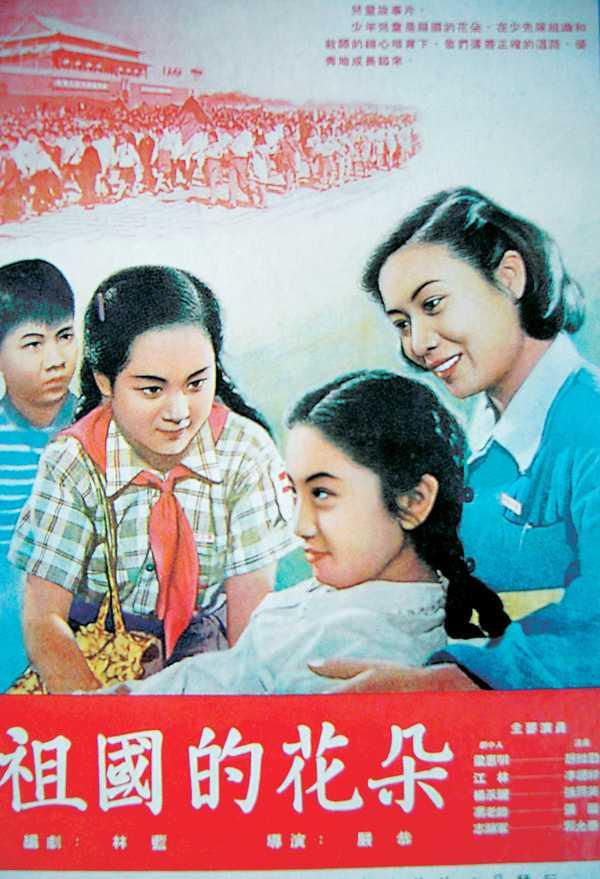
在很多中国人的记忆里,祖国的花朵 不只是一部电影,更是一段关于童年与时代的共同记忆。
它诞生于上世纪50年代,新中国刚刚建立不久的时期。那一代孩子的校园生活、他们的集体意识、以及对“成长”与“国家”的理解,都被温和而真实地记录在影像之中。
今天,当我们把这部电影重新播放给孩子们观看,它的意义早已不只是“观看一部老电影”,而是在通过影像,带孩子们走进另一个时代——去理解那个年代的学校、家庭与社会,去感受一种不同于当下的成长方式与价值观。
在跨文化的语境中,这样的影像也成为一种珍贵的文化文本,让不同背景的观众,有机会理解中国社会与教育的历史脉络。
1080高清(彩色修复版)《祖国的花朵》1955年 主题歌《让我们荡起双桨》华语怀旧老电影
《祖国的花朵》是一部诞生于1955年的中国儿童故事片,由 孙瑜 执导,上海电影制片厂 出品。影片以新中国成立初期的城市小学为背景,是中国早期最具代表性的校园题材电影之一。
基本信息
- 上映时间:1955年
- 类型:儿童 / 剧情 / 校园
- 导演:孙瑜
- 制片单位:上海电影制片厂
- 时代背景:新中国成立初期的城市小学生活
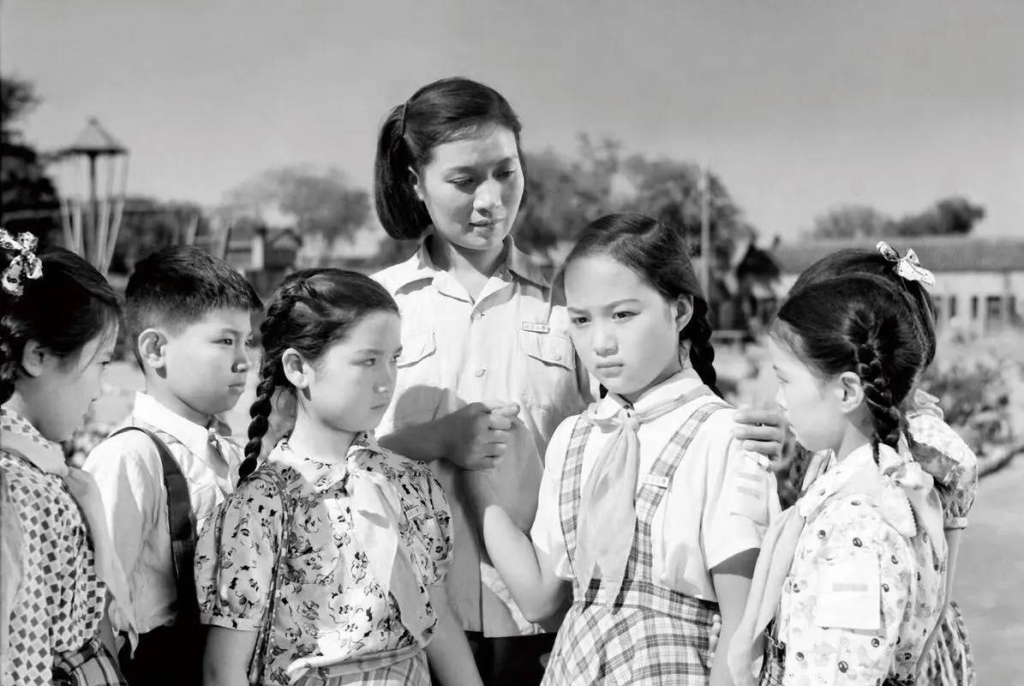
影像参考
剧情与主题
影片以一所普通城市小学为舞台,通过孩子们在课堂、操场与家庭中的点滴生活,呈现他们在老师引导下逐渐成长的过程。
他们努力学习、互相关心,也在实践中学会改正缺点,在集体活动中逐步建立起“为祖国而成长”的意识。
影片主题鲜明,集中体现了:
- 集体主义精神
- 助人为乐
- 热爱劳动
- 热爱祖国
艺术风格
作为1950年代的作品,影片采用现实主义手法,以生活化、细腻而温和的叙事方式展开,没有刻意的戏剧冲突,而是通过日常细节呈现儿童世界的真实状态。
课堂、操场与家庭等场景,不仅构成了故事空间,也成为那个时代社会生活的真实缩影,使影片具有浓厚的纪实气息。
影响与意义
《祖国的花朵》在中国电影史上具有重要地位。它不仅是一部经典儿童片,也在很长一段时间里被广泛用于校园放映与少儿教育。
影片塑造了“健康、乐观、积极向上”的儿童形象,并对后来的校园题材与儿童电影产生了持续影响。
影片中的插曲《让我们荡起双桨》成为中国家喻户晓的经典儿童歌曲,至今仍在校园中传唱。
The Flowers of the Motherland: A Foundational Image of Childhood in 1950s China
For many Chinese people, The Flowers of the Motherland is more than just a film—it is a shared memory of childhood and a reflection of an era.
Produced in the 1950s, shortly after the founding of the People’s Republic of China, the film captures the daily lives of schoolchildren, their sense of collective identity, and the values that shaped their understanding of growth and responsibility.
Today, when we revisit this film with younger generations, it becomes more than a historical viewing experience. It offers a window into a different time—helping children understand how schools, families, and society once functioned, and how values were formed in that context.
In a cross-cultural setting, such films also serve as valuable cultural texts, allowing audiences from different backgrounds to better understand the historical and social foundations of Chinese education and society.
(Embed video here1080高清(彩色修复版)《祖国的花朵》1955年 主题歌《让我们荡起双桨》华语怀旧老电影 – YouTube)
The Flowers of the Motherland (1955) is a Chinese children’s feature film directed by Sun Yu and produced by Shanghai Film Studio. Set in an urban elementary school in the early years of the People’s Republic of China, it is widely regarded as one of the most representative school-themed films of its time.
Basic Information
- Release Year: 1955
- Genre: Children / Drama / School
- Director: Sun Yu
- Production: Shanghai Film Studio
- Setting: Urban elementary school life in early PRC
Story & Themes
The film portrays the daily lives of elementary school students, following their experiences in classrooms, playgrounds, and at home.
Under the guidance of their teachers, the children learn not only academic knowledge, but also how to care for others, correct their mistakes, and grow within a collective environment.
Core themes include:
- Collectivism
- Kindness and mutual support
- Respect for labor
- Love for the country
Artistic Style
The film adopts a realist approach, focusing on everyday life rather than dramatic conflict. Its gentle and observational storytelling creates a natural and authentic portrayal of childhood.
The use of classroom, playground, and family settings gives the film a documentary-like quality, making it an important visual record of urban life in 1950s China.
Cultural Significance
The Flowers of the Motherland holds an important place in Chinese film history. It served for many years as a model children’s film and was widely shown in schools.
It helped shape an enduring image of optimistic, healthy, and collective-minded youth, influencing later generations of school and children’s cinema.
Legacy
The film features the iconic song “Let Us Swing the Oars”, which remains one of the most beloved children’s songs in China.