 tvowmedia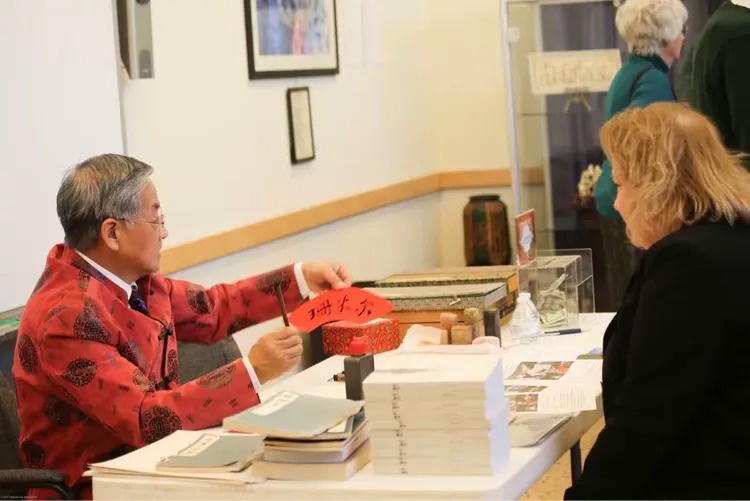
In northern Pennsylvania, there lies a quiet local museum, founded by an elderly American woman who donated her entire lifelong collection of Chinese art. An elderly Chinese man from China, Ji Guanguang, began a chance encounter with the museum, together igniting a lamp of cultural exchange. This lamp, though not loud, is warm and enduring, allowing… Overseas Chinese Culture Dissemination Warm and enduring, illuminating the path of cultural exchange between China and the West.
A chance encounter: Discovering the beauty of China in a foreign town
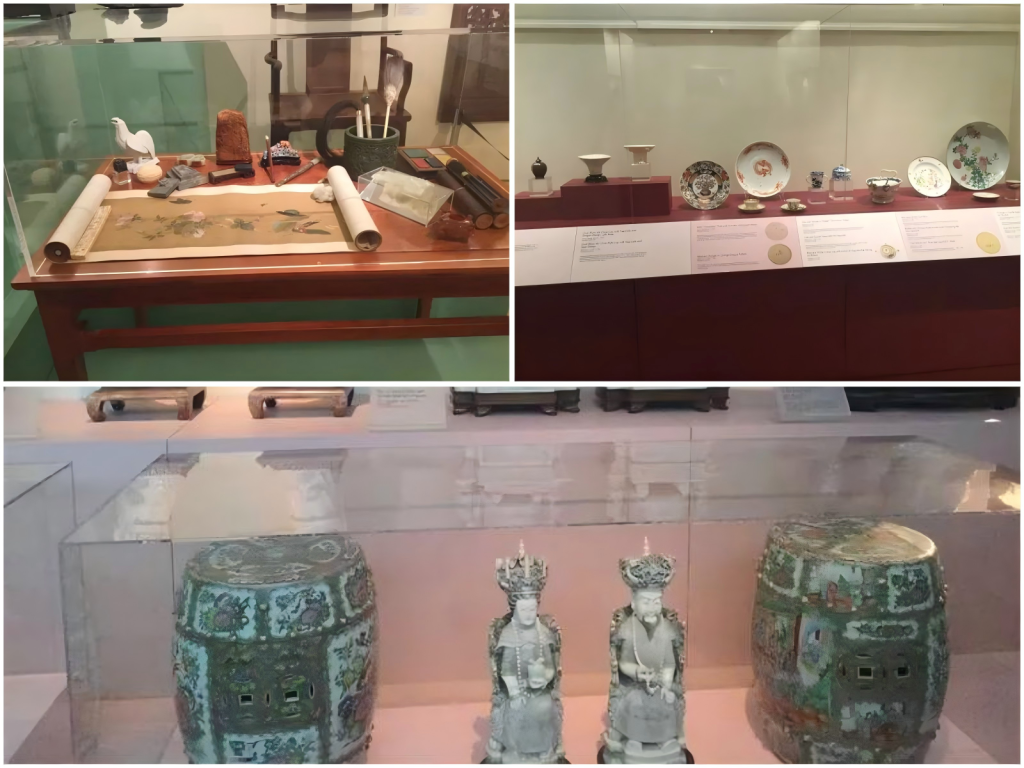
Many stories begin by chance. A few years ago,Ji GuanguangI learned that the Maridon Museum in Butler County houses a large collection of Chinese art—jade carvings, ivory carvings, and ceramics—all from the private collection of an elderly American woman. She donated her entire collection to the community, thus establishing a museum dedicated to displaying Eastern art. These artifacts, embodying Eastern aesthetics, are quietly placed in a small American town, like a love letter across cultures, embodying both a stranger's appreciation for Chinese art and a quiet tribute to Ji Guanguang. Overseas Chinese Culture Dissemination The path has been laid out, waiting for someone to reopen it.
Ji Guanguang was intrigued. After a deep conversation with the museum director, he brought his collection for exchange. Unexpectedly, these jade artifacts and handicrafts caught the director's eye—"Could we hold a special exhibition of your collection?" An exhibition is a cultural window that opens to the city, and he nodded: "Okay."“
More than sixty artifacts, a whole exhibition hall filled with Chinese atmosphere
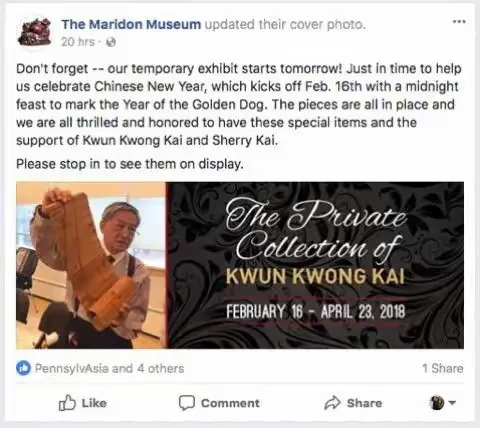
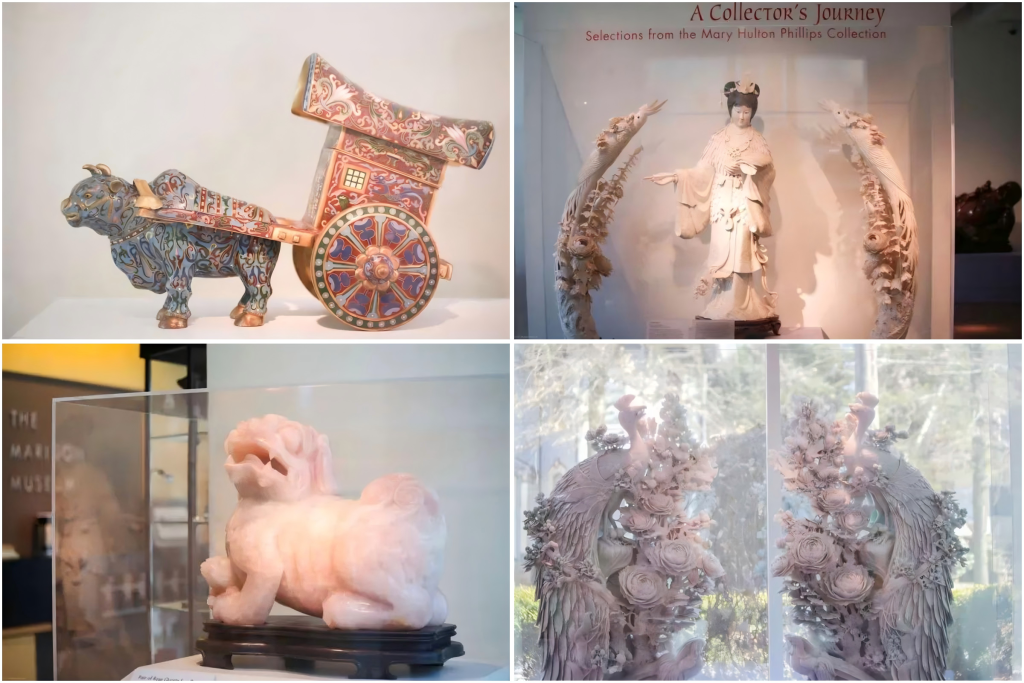
For this exhibition, Ji Guanguang carefully selected over sixty pieces from his years of collection that represent the high level of Chinese craftsmanship. The jade carvings are lustrous, the porcelain warm and smooth, the ivory carvings exquisite—each piece tells a story. The museum also cleared out the exhibition halls at an astonishing speed, rearranging the lighting, display cases, and adjusting the flow of visitors.
The exhibition quietly opened on February 16 and will last for nearly two months. There was no opening ceremony, no banners, no media clamor; the exhibition hall was filled only with light, shadow, objects, and the silent atmosphere of Eastern culture.
“"Could you write my name in Chinese?"” —— An afternoon of cultural outreach
March 3rd was the weekend following the Chinese Lantern Festival, and the museum arranged a meeting and exchange with the exhibitors.
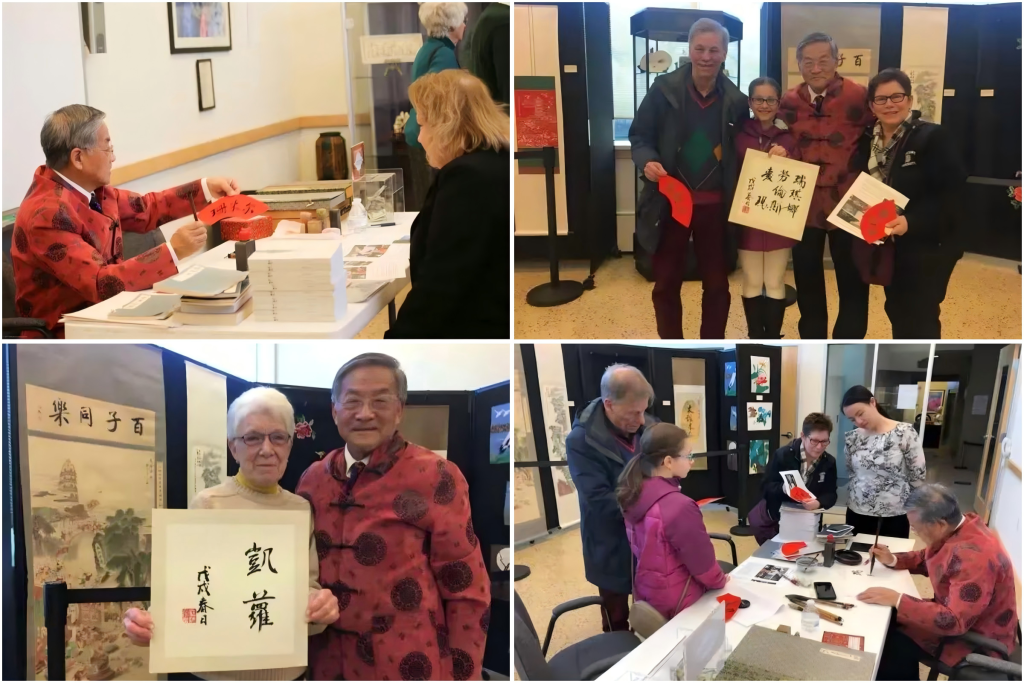
At 2 p.m., the exhibition hall was packed with visitors—mostly Americans experiencing Chinese art up close for the first time. They approached the display cases, marveling at the details of the artifacts and listening attentively to the stories told. Ji Guanguang had prepared paper, ink, brushes, and inkstones in advance. He transliterated each visitor's English name into Chinese, wrote it on Xuan paper with a brush, and then explained the meaning of the Chinese characters and their cultural background.
Young people were excited to see their names written in strong Chinese characters; an elderly person touched the sheet of rice paper repeatedly, carefully folded it, and put it in their coat pocket; a child asked, "Can my name also be written in Chinese characters?" Culture quietly transcends language in these questions and answers, in each stroke of the pen.
The kindness in the donation box: Culture is not about persuasion, but about moving people.
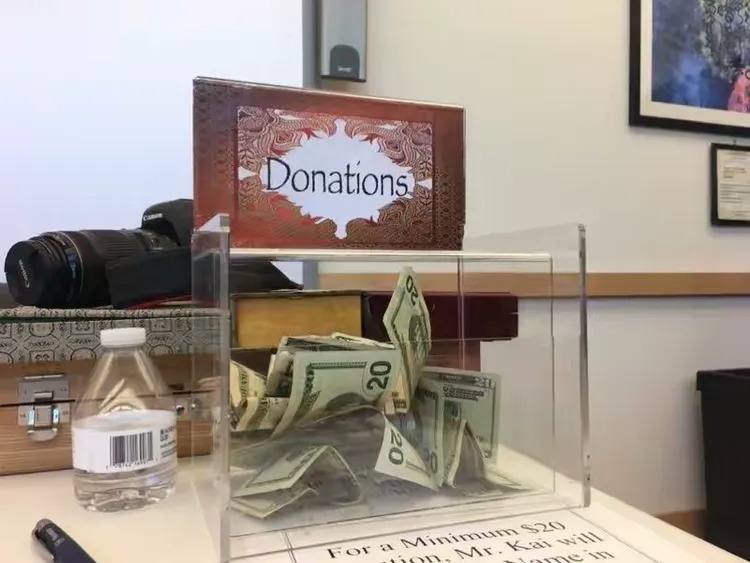
Donation boxes were set up at the event, and all donations went to the museum's operations. Ji Guanguang did not charge for his calligraphy, but visitors spontaneously donated, and by the end of the afternoon, the funds raised were enough to deeply move the museum's director.
It is the trust that culture builds between strangers, not a grand narrative or a solemn pronouncement, but the tenderness that rises in the heart of an American holding a piece of paper with the ink still wet.
Two elderly people, a museum, a cultural route
Many people don't know that the birth of this museum actually stemmed from an elderly American woman's deep love for Chinese art. She spent her life collecting jade carvings, ivory carvings, and ceramics, and ultimately donated them all to society. Ji Guanguang said, "She illuminated the museum with her collection, and I feel honored to be able to illuminate culture with my own strength."“
In this museum hidden in a small Pennsylvania town, an American and a Chinese man, at different times and in different ways, have both upheld the same goal—to make Chinese culture visible overseas.
“"Start with small things, start with me."”
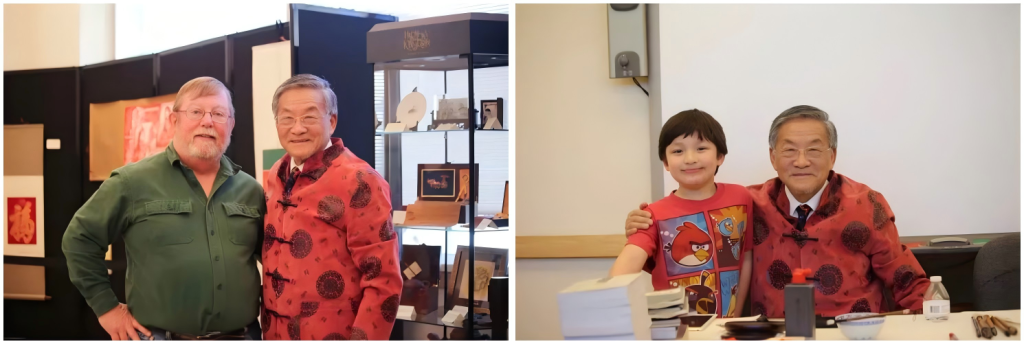
After establishing a deep friendship with the museum, both sides plan to organize more activities—lectures, exhibitions, art experiences, cultural courses—to give more Americans the opportunity to truly get closer to Chinese culture. Ji Guanguang often says, "To spread Chinese culture, we must start from small things, and from ourselves. As long as we keep doing it, we will definitely achieve results."“
Cultural dissemination is never a grand, sweeping project; it is often a small step, an object, a piece of paper, or a short exhibition. But it is precisely in these seemingly insignificant actions that the power of culture to extend outward grows quietly, continuously, and gently.
Editor's Note
Those who spread Chinese culture overseas are often not giants in the spotlight, but ordinary people living in the corners of cities, working quietly behind the scenes. They write "cultural landmarks" with their actions, letting those who come after them know that Chinese culture deserves to be seen by the world.
Ji Guanguang's story is not an end, but a beginning. It is also the story of all the truth and light that "World Voices" is willing to record.
—Adapted from an article by Meipian user "EbiKK" (Ji Guanguang)
For more information, please visit”"EbiKK" (Ji Guanguang)'s Column
If you would like to view other feature articles on individuals:Character Portrait
Written by TVOW World Voice Contributor
Photography | Provided by Maridon Museum
Location of publication: Pittsburgh, PA