 tvowmedia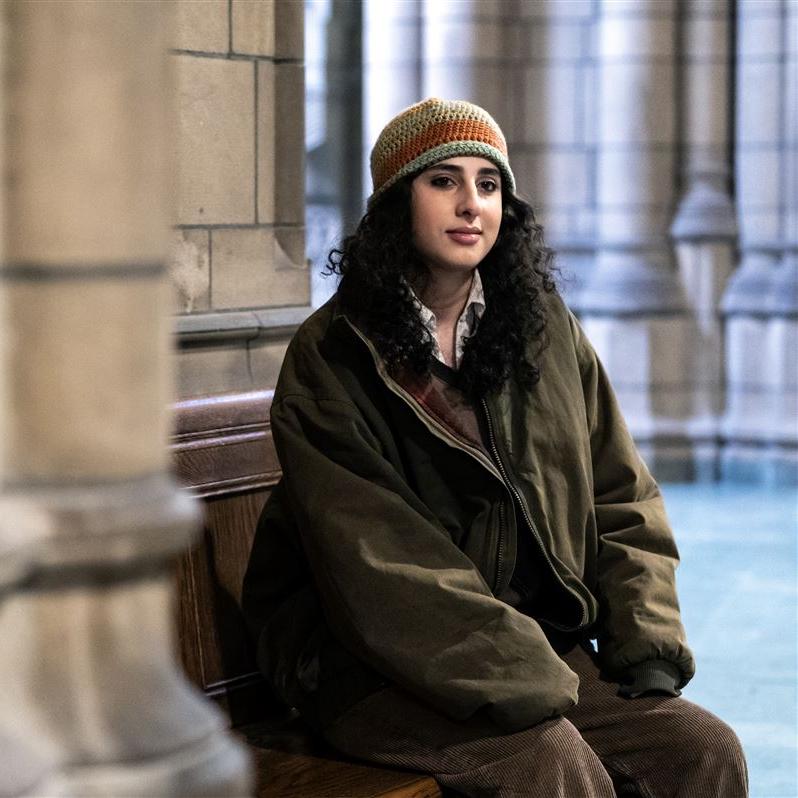
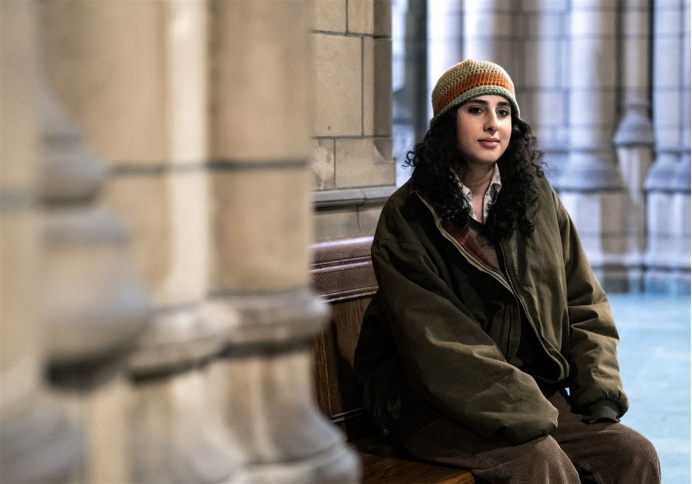
As 22-year-old Sarah Pine sat in the University of Pittsburgh's academic chapel, few realized that she had already traversed two seemingly impossible paths in life. One was her college career: a top student, editor-in-chief of a literary magazine, undergraduate researcher, and soon to graduate. The other was her journey with cancer: two major surgeries, chemotherapy, immunotherapy, a liver transplant, and countless waits in hospital corridors.
Youth and Terminal Illness
During spring break in 2023, Sarah, a future cancer survivor, didn't go home but stayed on campus to explore the city she had just fallen in love with. But one day, her peace was shattered by sudden itching, yellowing of her skin and the whites of her eyes, and an ultrasound revealed a tumor in her liver.
After surgery in May of the same year, she was diagnosed with fibrolamellar hepatocellular carcinoma: a rare cancer with an incidence rate of only one in five million in the United States, which often occurs in young people with healthy livers and is extremely aggressive. As a result, doctors removed nearly half of her liver.
At that time, while her peers were still struggling with choosing between general education courses and clubs, Sarah was already facing a major life decision: whether to receive a liver transplant and whether she could continue her unfinished university studies.
University and Treatment
From the moment she was diagnosed in the spring of her freshman year, Sarah's college life was clearly divided into two scenes: Hillman Library and Hillman Cancer Center. While her friends were studying in the library, she was undergoing chemotherapy and immunotherapy at the cancer center; even when she was unwell, she still insisted on attending classes, completing assignments, and even continuing to serve as the editor-in-chief of the literary magazine Collision, which published literary and artistic works from undergraduates around the world.
“School is the only ‘sense of reality’ I can hold onto,” Sarah confessed. “It’s really hard to bear the pressure of treatment and studies at the same time, but if I give up going to school, I might completely lose my direction.” With the understanding and support of her professors, she completed some courses online and never left campus life.
Relapse andnewborn
In the summer of 2024, her cancer recurred, and the medical team disagreed on the next treatment plan: another liver resection or a liver transplant? Sarah initially opted for a liver resection, but due to a sudden change in her condition during the surgery, she was urgently placed on the liver transplant waiting list. A month later, fate intervened—a suitable liver donor became available. On December 10, 2024, she successfully underwent a liver transplant, surviving a brush with death.
This fall, wearing a chemotherapy cap gifted by the cancer center (now a keepsake), Sarah finally experienced a "proper college semester." "Now that I'm about to graduate, it feels like I've turned the page on two important chapters of my life at the same time," she said. The overlap of cancer and her four years of college made her youth particularly profound.
Darkness and resilience
Sarah never shies away from the darkest moments on her cancer journey: "There were many times when I didn't want to live, and even felt that it would be easier to be taken away by cancer." She doesn't portray herself as a "cancer hero," but rather faces it honestly: "Living, learning, leading a team, and receiving treatment at the same time is itself a limit."“
This authenticity makes her story even more powerful. Her professor, Lizzie Galarza, commented, "She not only beat cancer, but she is also reshaping the way we understand cancer."“
Pain and Writing
When she first enrolled, Sarah, who wanted to write creative nonfiction, felt she "didn't have much of a story"; four years later, she was already capable of writing a memoir. Her research and writing revolve around "the real experiences of cancer patients," and through analyzing films and television shows such as "The Fault in Our Stars," she points out that literature and film works overemphasize death while ignoring the long and complex life processes of survivors.
“The hardest part is not cancer itself, but living on after being diagnosed,” Sarah’s research fills a gap in the mainstream narrative. She hopes to transform suffering into knowledge that can be understood through writing.
Cancer and Self
Sarah has now applied to graduate school, planning to continue her research on cancer narratives in the media, and is also applying for jobs in communications. She admits that experiencing all of this during her university years has prepared her for whatever the future holds. Cancer occurred during one of the most important stages of her life, and has long been a part of her; she is a collection of these experiences.”
Conclusion
Sarah Pine is not a labeled "miracle"; she is simply an ordinary student about to graduate, a literary magazine editor, an academic researcher, and a survivor who tenaciously thrived in the face of cancer. Her story shows us perseverance and reflection beyond illness, and makes us understand that the truest strength comes from the courage to choose to live earnestly even after facing suffering.
Written by TVOW World Voice Contributor | Adapted from EnglishMaddie Aiken, reporter for The Pittsburgh Post-GazetteReports
If you would like to view other feature articles on individuals:Character Portrait