 tvowmedia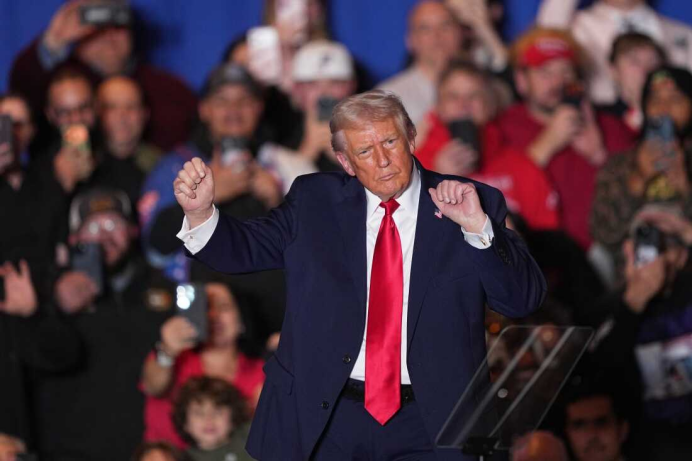
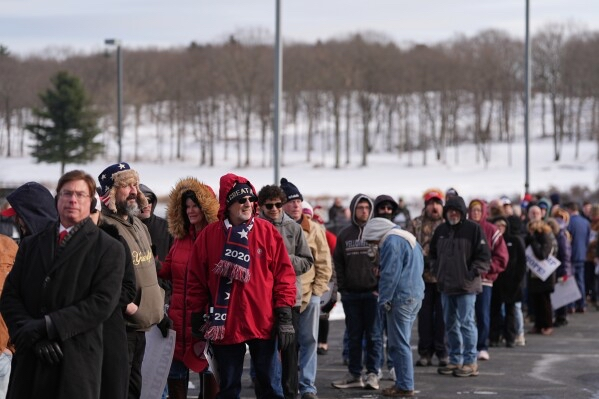
As a key swing state in the 2026 US midterm elections, northeastern Pennsylvania has a highly representative composition of Trump voters—loyal followers in casinos, veterans grieving the loss of their husbands, mothers advocating for the rights of mothers who have lost their children, and waiters hoping for tax-free tips. Their demands range from economic relief to welfare guarantees, from drug control to border control. Every expectation is closely tied to their own survival difficulties, and it also outlines the most authentic grassroots face of Trump voters.
Under the casino lights: Loyalty and Expectation
Mark Paul Jones, 58, dressed in a colonial-era militia uniform with his breastplate gleaming under the lights, is a musician and photographer whose photos have appeared in The New York Times and international media. A follower who has attended more than 50 rallies since 2016, he gave Trump an "A-" for his second term, praising his "unreserved attacks on corporate media."
Even his most loyal supporter admitted: "He's too focused on the world; I wish he would concentrate on domestic issues." Behind him, the slot machines flickered, and his voice carried a weariness—a genuine working-class weariness.

The middle class is being squeezed: the double burden of bills and housing.
Voters in Monroe County, both Republicans and independents, expressed the same sentiment: they still support Trump, but their lives are becoming increasingly difficult. Rents and mortgages continue to rise, insurance, grocery, and utility prices are soaring, and the healthcare system is inefficient with long wait times.
“The government makes the middle class bear all the costs, and we are exhausted,” said 69-year-old former nail salon owner Marie Manini. She attended the rally hoping to hear “good news about the economy,” but she has to face the reality that life is harder than it was a few years ago.
Demands of veterans' families: Compensation and protection
Manini's husband, Joe, a Marine Corps veteran, died of Parkinson's disease linked to water contamination at Camp Lejeune, North Carolina. Despite the Biden administration's Veterans Health Compensation Act allowing lawsuits against the government, compensation has been delayed. "I've lost my husband, my benefits, and possibly my house," she said quietly, her words filled with helplessness, echoing the hopes of many military families: "We hope he (Trump) can truly care for veterans."“
The pain of losing a child: linking drug control to votes
Lisa Eleffson's voting motivation was particularly somber—to commemorate her 31-year-old son who died from fentanyl poisoning, this mother chose to vote for her son, a "number one Trump supporter." For her, politics was not an ideological battle, but rather the grief and anger of losing a child. She firmly supported Trump's policies of "closing the borders" and "fighting drugs." In the Pocono Mountains, behind every supporter is a family struck down by economic hardship and drugs.
Waiters' aspirations for survival: Tax-free tips and the dream of owning a home
Amy Compboy, who works at an Irish pub in Straussburg, barely makes ends meet with tips and overtime, and saving money to buy a house is her simple wish. Trump's promise to "redefine the tip tax" has become one of the few opportunities for upward mobility in her eyes. "This isn't politics, it's a hope for survival," she says, reflecting the plight of American service industry workers under inflationary pressures.
Contradictory Voices: Controversy over medical subsidies and questioning of the system
The discontent among Democrats and some independent voters is equally acute. Registered nurse Jennifer Pattika bluntly stated that the Republican tax reform benefits the wealthy permanently, while tax breaks for low-income workers are short-lived, and the cuts to Medicaid are putting hospitals at risk of closure.
“My son has Crohn’s disease and undergoes chemotherapy every eight weeks, all thanks to Medicaid.” She angrily retorted, “Is this what you call ‘waste and abuse”?” The controversy surrounding Medicaid policy in the United States highlights the deep divisions between supporters of the two parties on social welfare issues.
The 2026 Battle for Pennsylvania: A Key Game That Will Determine America's Direction
Trump's trip to Pennsylvania is paving the way for the 2026 US midterm elections—Treasury Secretary Stacy Garrity will challenge Governor Josh Shapiro, Representatives Ryan Mackenzie and Rob Bresnahan are facing fierce battles, Republicans are trying to retain their seats in Congress, and Trump intends to expand his political territory.
Historical data shows that Republicans often lose in Pennsylvania when Trump is not on the ballot. Working-class voters in northeastern Pennsylvania—ordinary people in casinos, factories, and bars—are experiencing unprecedented anxiety, becoming a "key thermometer" in determining the election's outcome.
Conclusion: The cracks in America revealed by casino lights
Political analysis often categorizes voters as "red" or "blue," but if you were to stand in the casinos of Pocono, what you would see is not a clear-cut stance, but rather a struggle for survival, suppressed sorrow, and weary anticipation. They support Trump, yet worry about bills and the future; they yearn for change, but change is too slow, and life is too heavy.
This is not simply a "Trump story," but a true reflection of the American working class—the lights of the casinos illuminate deep cracks in a country's economy, welfare, and governance, and the Pennsylvania vote in 2026 may be the key to mending or tearing these cracks apart.
Written by TVOW World Voice Contributor | Adapted from EnglishPittsburgh Post-Gazette reporter Benjimin KailReports
If you would like to read other in-depth articles:In-depth Feature