 tvowmedia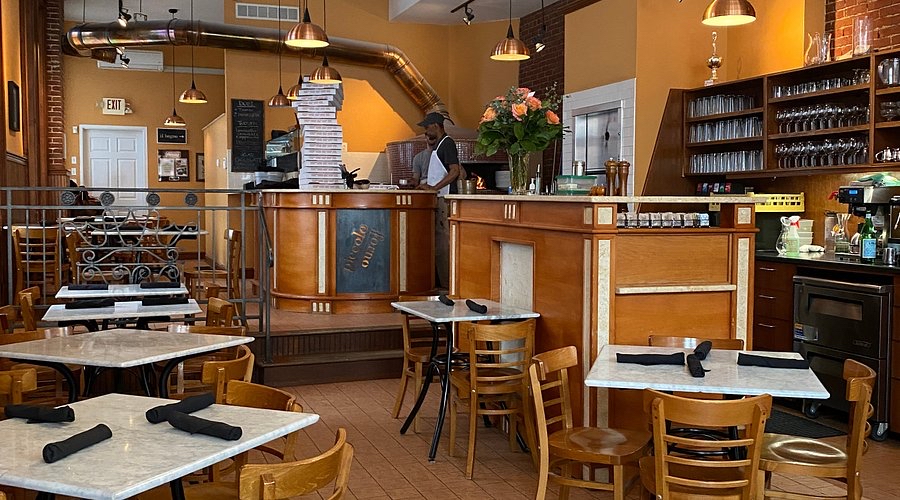
2015 is widely regarded as the "dawn year" for Pittsburgh's restaurant industry. That year, Butler Street was illuminated by a dense array of restaurant lights, and for the first time, this city, known for its industry, steel, and French fries sandwiches, attracted the attention of gourmets across the country with its food.
Ten years have passed, and many restaurants have faded away amidst the commercial boom. However, the restaurants and founders that emerged in 2015 remain firmly at the heart of Pittsburgh's culinary scene, rewriting the city's culinary narrative through perseverance and innovation.
Young people in Lawrenceville
Before 2015, Pittsburgh restaurants were primarily associated with simplicity, home-style dining, and a blue-collar-style sense of fullness. After 2015, the Pittsburgh restaurant founders of that year brought entirely new possibilities: avant-garde recipes, story-telling menus, culturally rich bars, and ritualistic late-night desserts. Even pizza, Northern Italian cuisine, and cocktails were given a "Pittsburgh interpretation," giving the city's cuisine its first combination of creativity and cultural appeal, and propelling Pittsburgh into the ranks of America's "most noteworthy food cities."
Dom Branduzzi recalls those years when everything happened incredibly fast, his business expanding from a family-run Italian restaurant to a bar, a wine mixer, and now a new project opening this year. He documented Lawrenceville's rise as he opened his businesses.
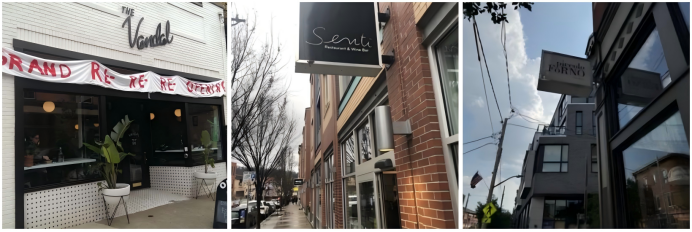
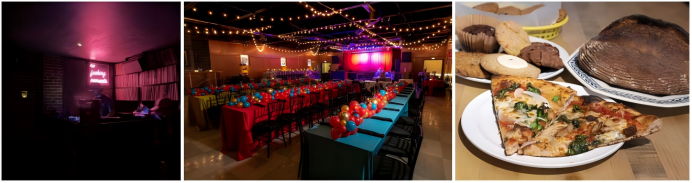
Meanwhile, restaurants like Spirit, Morcilla, and The Vandal, all established around the same time, represented the first time young chefs and entrepreneurs dedicated their lives to a single establishment. Over the past decade, these Lawrenceville restaurant startups haven't faded into obscurity; instead, they've become integrated into the daily lives of Pittsburgh residents, forming an important part of the city's lifestyle.
Redefining the spirit of Pittsburgh cuisine
Before 2015, Pittsburgh restaurants were characterized by their simplicity, home-style dining, and blue-collar-style satiety. After 2015, these founders brought new possibilities: avant-garde recipes, menus that tell stories, bars with cultural attributes, and ritualistic late-night desserts. Even pizza, Northern Italian cuisine, and cocktails can have their own "Pittsburgh interpretation."
These restaurants were the first to bring Pittsburgh to national attention—Zagat named it the nation's "most noteworthy food city" that year. This didn't mean Pittsburgh was becoming "the next New York," but rather that it entered the American culinary landscape for the first time as a "city that takes food seriously," and the 2015 restaurant founders were the key drivers of this transformation.
Why were they able to live for more than ten years?
The longevity of the 2015 cohort was not accidental, but stemmed from three core principles they adhered to:
They understand the community—not customers, but neighbors.
Spirit hosts music parties and late-night events, striving to transform the old Moose Lodge into a hub for young people. Morcilla's nights have an atmosphere where "you're not here to eat, you're here to come back." The Vandal has turned "seasonal cuisine" into a neighborhood kitchen. Driftwood Oven grew from a pizza cart to owning its own bakery, turning bagels and sourdough into a stable wholesale business. Their shops aren't "destination restaurants," but rather "a part of your life."
They constantly adjust—not compromise, but evolve.
Scratch & Co.'s transformation is highly representative: from a dinner snack bar to a chef's restaurant, and then to a creative pub, each adjustment was not a compromise, but a precise response to the market. The "new operating logic" of streamlined menus, flexible hours, and pragmatic staffing after the pandemic was pioneered by the class of 2015.
They stay true to their original intention—the flavor will never go out of style.
Regardless of changing trends, Senti has always adhered to the authentic Northern Italian style; Cucina Vitale has taken "Italian American home cooking" to the extreme, with chefs preparing each dish in an open kitchen. In 2025, it successfully moved to a larger store, thanks to the unwavering support of its loyal customer base.
The city is changing, but they remain in the center.
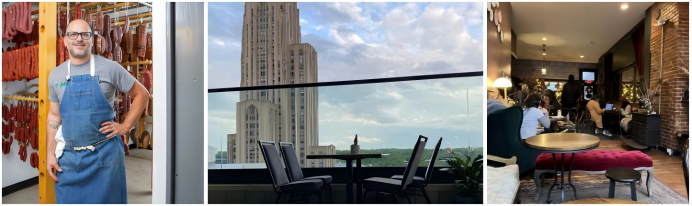
Ten years later, the restaurants of the class of 2015 have become cultural symbols of Pittsburgh: they are the first date spots for young people, a mark of youth that "accompanied a generation through the twenties", and a benchmark for new restaurants to emulate - streamlined menus, brand awareness, and service logic all stem from the practices of these founders.
They proved that the secret to opening a restaurant in Pittsburgh that can survive for ten years is just one sentence: "Give people something unique. Of course, you can also make pizza—pizza will never go out of style."“
Why is the class of 2015 worth documenting?
They changed the city, and they told it that eating is not just about life, but about culture, relationships, and identity. In Pittsburgh, these restaurants have become a shared memory, a way of life, and a new urban language. Ten years ago, they were just a few young people with dreams. Ten years later, they have become the culinary shape of the city.
This is the significance of the 2015 class.
Written by TVOW World Voice Contributor | Adapted from EnglishHal B. Klein, reporter for The Pittsburgh Post-GazetteReports
If you would like to read other in-depth articles:In-depth Feature