 tvowmedia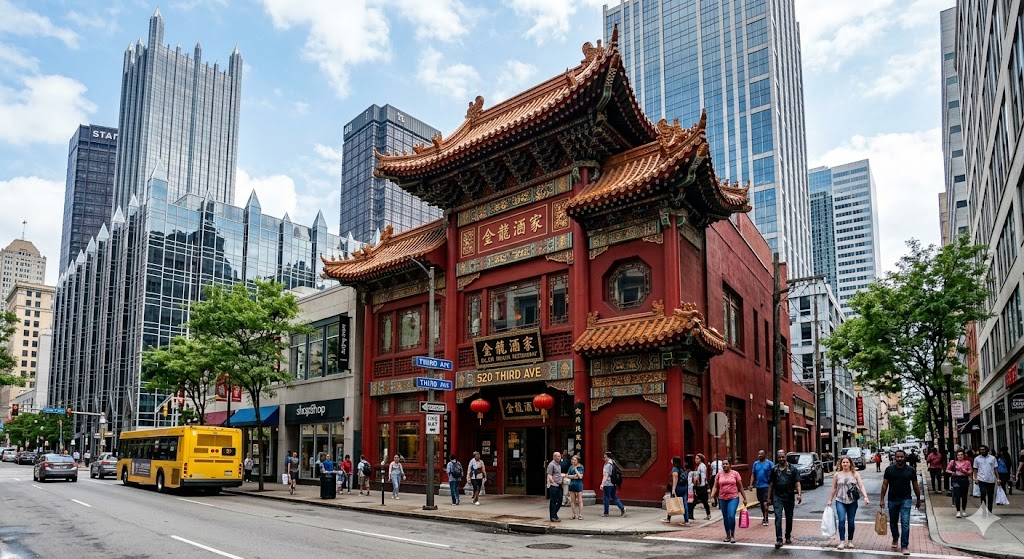
Column Introduction
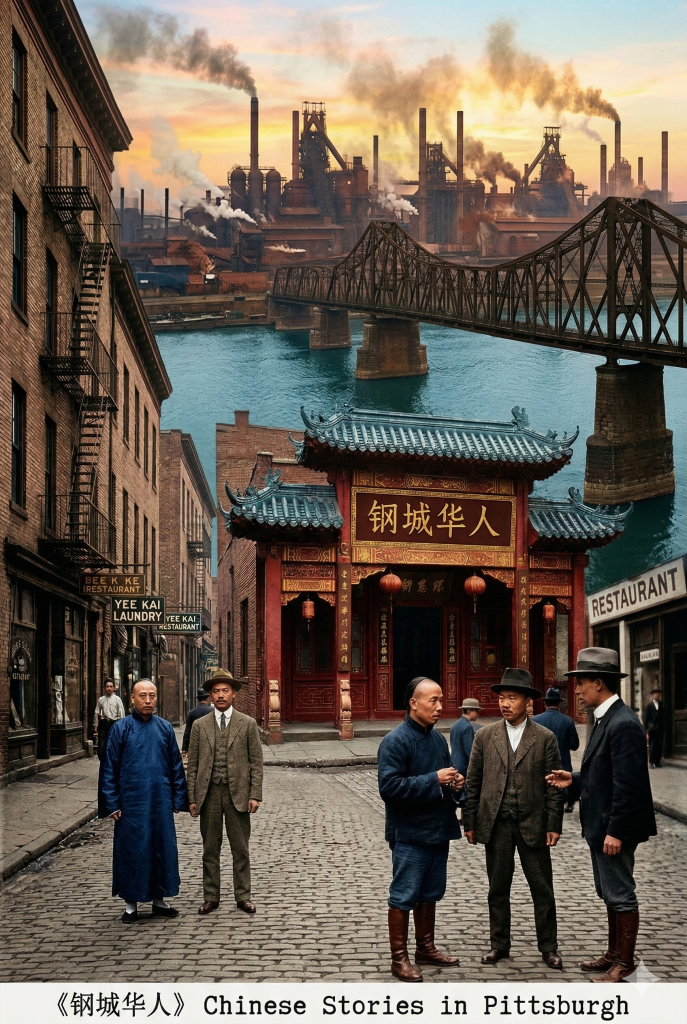
《钢城华人》记录 匹兹堡华人 一百多年的历史。从十九世纪的洗衣店移民,到今天活跃在大学、医院与科技产业中的华人群体,这一栏目通过历史资料、人物访谈与社区故事,逐步记录华人在这座“钢城”中的生活与变迁。
Steel City Chinese documents the history of the Chinese community in Pittsburgh. From early immigrants who ran laundries to today's engineers, scholars, and professionals, this project explores the stories and transformations of Chinese lives in the Steel City.
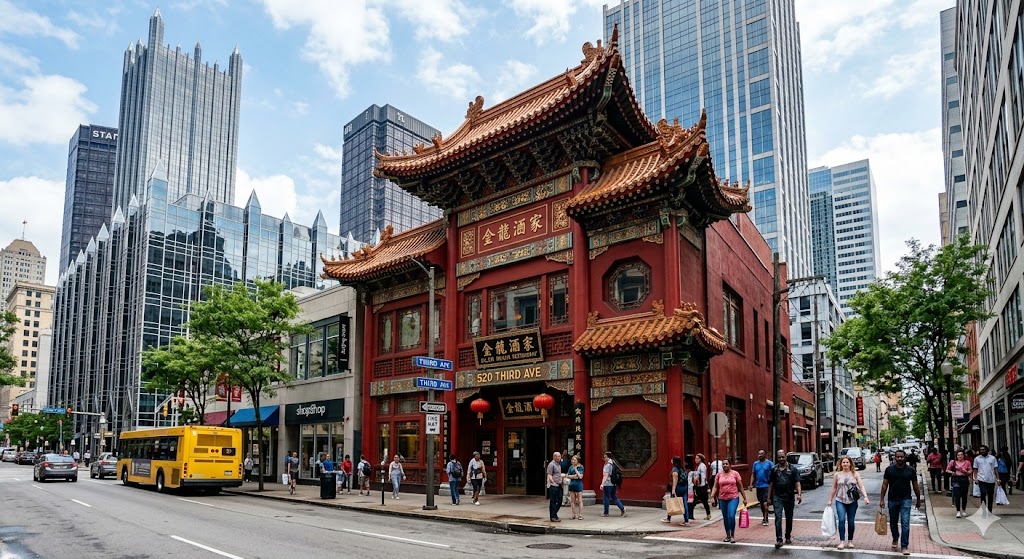
在美国众多拥有华人历史的城市中,匹兹堡并不是最显眼的一座。与旧金山、纽约或洛杉矶那些规模庞大的唐人街相比,这座位于宾夕法尼亚州西部的工业城市显得低调而安静。然而,正是在这样一座以钢铁工业闻名的城市里, 匹兹堡华人 移民经历了一段跨越百年的独特历史。
Pittsburgh is located in Pittsburgh Pittsburgh is where three rivers—the Allegheny, Mononga Hilla, and Ohio—converge. These rivers converge in the city center, creating a unique urban landscape and shaping the city's distinctive character. Due to its once-glorious history of steel industry, Pittsburgh is known as the "Steel City."
Many people pass through when they first enter Pittsburgh. Fort Pitt TunnelThe moment the car emerges from the tunnel, the city skyline and the confluence of three rivers suddenly unfold before your eyes. This visual transition from enclosed to open has led to this place being often referred to as "America's most spectacular city entrance."
对于远渡重洋来到这里的 匹兹堡华人 移民而言,这一刻的震撼不仅是地理上的进入,更是一种心理上的跨越。
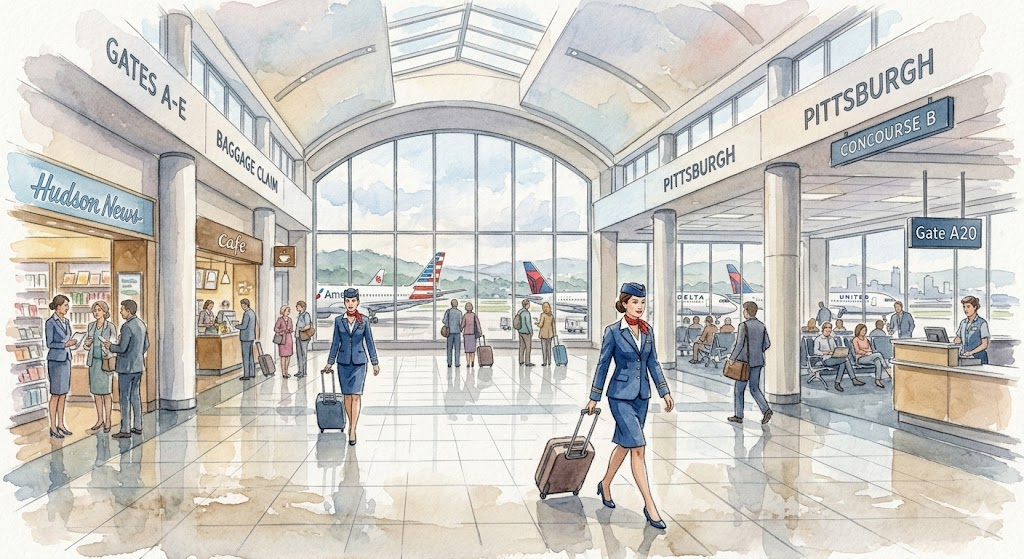
On June 28, 2024, when the plane landed in Seattle, my two children and I set foot on American soil for the first time. A few days later, we traveled to Pittsburgh. We were accompanied by twelve heavy suitcases. They contained not only clothes and daily necessities, but also decades of family memories.
Later I realized that these twelve suitcases not only belonged to our family's story, but also vaguely connected to another, longer history.
More than a century ago, a group of immigrants from China also came to this city. Some Chinese from Guangdong opened laundries on street corners, making a living on the fringes of this steel city. At the same time, another group of young Chinese entered universities to study engineering and science, hoping to change their country through modern industry.
从洗衣店到工程师,从唐人街到大学实验室, 匹兹堡华人 的历史正是在这样的两条轨迹中逐渐展开。
Pittsburgh Chinese History Timeline
Timeline of Chinese History in Pittsburgh
The history of the Chinese community in Pittsburgh is closely intertwined with the rise and fall of the city's industries.
1872
The first group of Chinese laborers were recruited to work in a tableware factory in Beaver Falls, marking the entry of Chinese people into the Pittsburgh area.
1877
After the factory closed, some of the Chinese laborers went to downtown Pittsburgh to make a living and gradually settled in the city.
1880–1900
As the steel industry entered its golden age, Chinese people opened a large number of laundries, forming an early Chinese economic network.
1900–1920
The area around Second Avenue gradually developed into a Chinatown community.
1920s
Pittsburgh became the world's steel industry center, and Chinatown entered a period of prosperity.
1921
With the construction of Boulevard of the Allies, Chinatown was demolished, and the community began to decline.
1959
After urban renewal, the last few Chinatown buildings disappeared.
1970–1980
With the decline of the steel industry, Pittsburgh entered a period of urban transformation.
1990–2000
The rise of universities and the healthcare industry has led to an increase in international students and researchers.
2000–2020
The development of artificial intelligence, robotics, and biomedical industries has led to the formation of a new generation of Chinese communities.
2024
New immigrant families continued to arrive in Pittsburgh, marking a new phase in Chinese history.
At the beginning
“The "Chinese in Pittsburgh" column will document the development of Pittsburgh's Chinese community through interviews, historical materials, and community stories. From corner laundromats to university laboratories, from early laborers to tech talents, these stories collectively form part of the city's multicultural history.
This article is just the beginning.
English Summary
Among American cities with Chinese immigrant histories, Pittsburgh is not the most prominent. Compared with the large Chinatowns of cities such as San Francisco, New York, or Los Angeles, this industrial city in western Pennsylvania has long remained relatively quiet and understated. Yet within this steel city, Chinese immigrants have experienced a unique history that spans more than a century.
Pittsburgh is located at the confluence of three rivers—the Allegheny, the Monongahela, and the Ohio. These rivers meet at the center of the city, creating a distinctive landscape and shaping Pittsburgh's character. Because of its once-powerful steel industry, the city earned the nickname “Steel City.”
For many people arriving in Pittsburgh for the first time, the most memorable moment comes when passing through the Fort Pitt Tunnel. As cars exit the dark tunnel, the skyline of the city and the meeting of the three rivers suddenly appear in full view. This dramatic transition from darkness to openness has led many to describe it as one of the most spectacular city entrances in the United States.
For Chinese immigrants who traveled across the ocean to reach this place, however, this moment represents more than just entering a city—it is also a psychological crossing into a new life.
On June 28, 2024, when my plane landed in Seattle, my two children and I stepped onto American soil for the first time. A few days later we arrived in Pittsburgh, carrying twelve heavy suitcases. They held not only clothes and daily necessities, but also the memories of decades of life.
Later I realized that these twelve suitcases were not only part of our family's story; they were also connected to a much longer history.
More than a century ago, Chinese immigrants also arrived in this city. Some migrants from Guangdong opened small laundry shops on street corners, working at the margins of the industrial city. At the same time, another group of Chinese students entered American universities to study engineering and science, hoping to transform their country through modern technology.
From laundries to engineers, from Chinatown streets to university laboratories, the history of Chinese people in Pittsburgh gradually unfolded along these two paths.
A Brief Timeline of Chinese History in Pittsburgh
The history of Chinese people in Pittsburgh is closely tied to the rise and transformation of the city itself.
1872
The first group of Chinese workers arrived in the region to work at a cutlery factory in Beaver Falls.
1877
After the factory closed, some workers moved into Pittsburgh and began settling in the city.
1880–1900
During the golden age of the steel industry, many Chinese immigrants opened laundry businesses, forming early economic networks.
1900–1920
A small Chinatown community gradually formed along Second Avenue.
1920s
As Pittsburgh became the world's steel capital, Chinatown entered its most prosperous period.
1921
Construction of the Boulevard of the Allies led to the demolition and fragmentation of Chinatown.
1959
Urban redevelopment removed the last remaining Chinatown buildings.
1970–1980
The collapse of the steel industry marked a turning point for the city.
1990–2000
The growth of universities and medical institutions attracted more international students and researchers.
2000–2020
With the rise of artificial intelligence, robotics, and biotechnology, a new generation of Chinese professionals emerged.
2024
New immigrant families continue to arrive, marking another chapter in the history of Chinese Pittsburgh.
A Beginning
The Steel City Chinese series documents the history of the Chinese community in Pittsburgh through interviews, archival materials, and community stories. From corner laundries to university laboratories, from early laborers to modern technology professionals, these stories form an important part of the city's multicultural history.
This article is only the beginning.
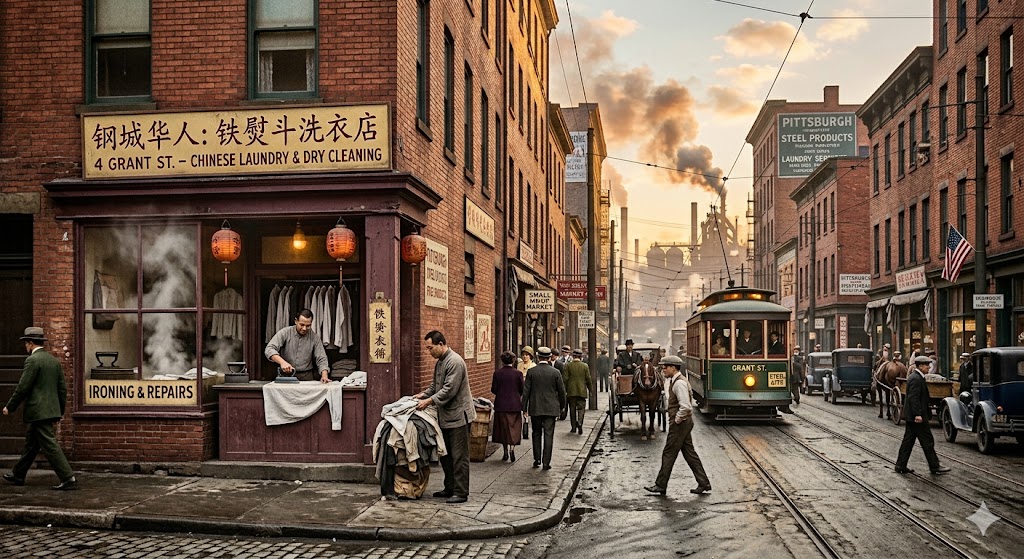


格兰特街的铁熨斗)
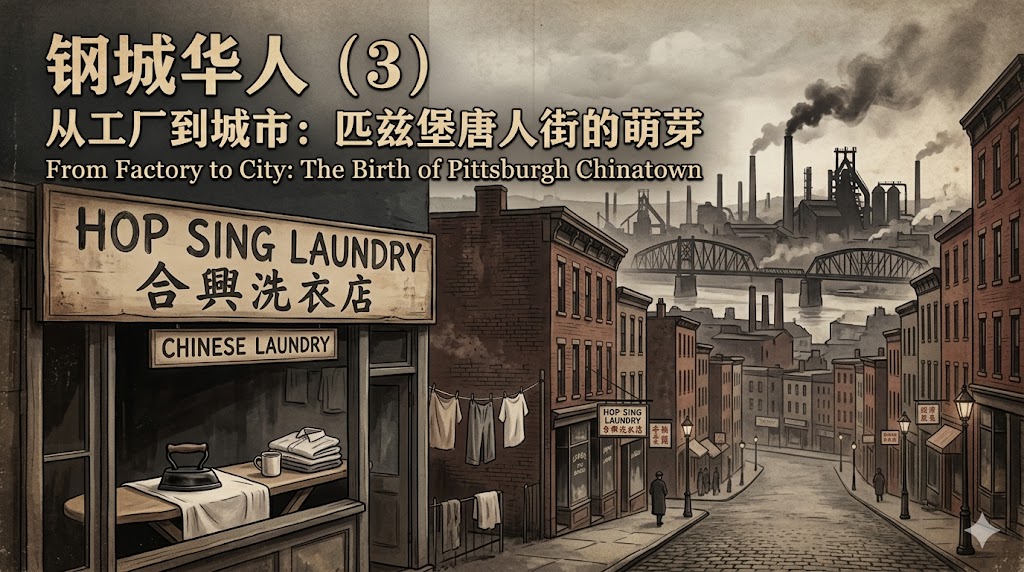
|从工厂到城市:匹兹堡唐人街的萌芽)